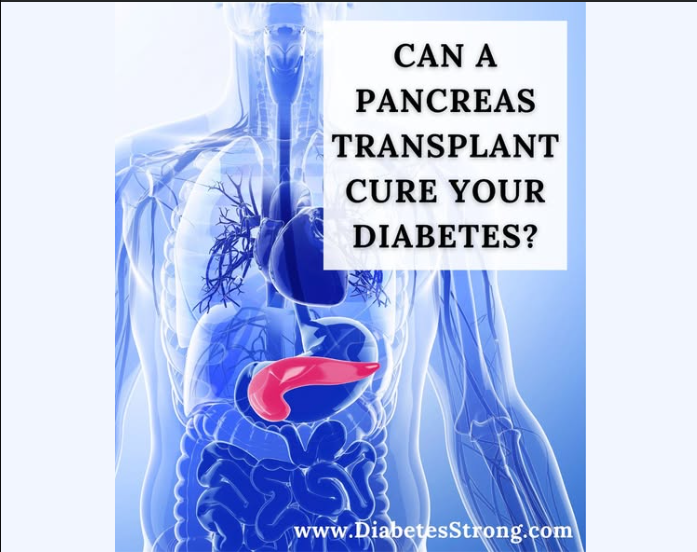
Why is a pancreas transplant done?
A majority of patients receiving a pancreas transplant are those with is severe hypoglycemia unawareness. In fact, 93 % of patients are T1D.
In addition:
- Persons with diabetes whose blood glucose levels are not controlled with standard treatment, despite advanced patient education and self-care, may be candidates for transplantation
- Patients who also have severe renal disease should be considered for combined transplantation of the kidneys and pancreas because most persons with type 1 diabetes who undergo only renal transplantation will show evidence of renal damage within 2 years
- Lastly, some patients with type 2 diabetes are eligible, but only if their diabetes is severe, they are normal weight, lack endogenous insulin production, and have low resistance to insulin peripherally
What are the risks of the procedure?
Having a pancreas transplant is considered major surgery, and carries a risk of significant complications, including:
- Blood clots
- Bleeding
- Infection
- Urinary tract infections
- Hyperglycemia
- Failure of the donated pancreas
- Rejection of the donated pancreas
Will a pancreas transplant cure diabetes?
By definition, if you receive a pancreas transplant, you will no longer have clinical symptoms of diabetes and will no longer need to inject insulin.
There are, however, many side effects of having a major organ transplant.
With any organ transplant, it is crucial to minimize the risk of your body rejecting the donated organ. In the case of a pancreas transplant for Type 1 Diabetes, there are two driving forces that raise the risk of rejection:
- the human body’s immune system tends to attack any foreign organ, and
- a person with type 1 diabetes already has an immune system that is prone to attacking the pancreas, since that is what led to the condition in the first place.
Therefore, transplant patients are REQUIRED to take anti-rejection medication (that suppresses the immune system) for the rest of their lives, which may cause serious side effects and can be costly and difficult to manage.
Brandon Mouw, who formerly had type 1 diabetes, got a pancreas transplant two years ago after suffering from difficult-to-control diabetes and hypoglycemia unawareness for years.
He put it eloquently, saying, “Management today is taking strong immunosuppressants twice a day, having weekly blood work, managing medication side effects, and being careful of what I do and eat because of having an extremely suppressed immune system. Additionally, I have chronic mild rejection and have a close eye kept on me. I was in the hospital over Thanksgiving for a 5-day infusion to suppress my immune system further because my body was fighting the transplant.”
“I look at it like I switched diabetes management with transplant management. I am no longer an insulin-dependent diabetic. My diabetes is not cured because I go right back to being a brittle diabetic if the transplant fails. I look at it as a pause in my diabetes. I still have 31 years of diabetes in my life, and it’s only been two years since the transplant.”
Recent Articles

Waking Up With a Dry Mouth Every Night? Here Are 8 Common Reasons Why

20 Early Signs Your Body is Fighting Cance

Doctors Issue Urgent Warning: Stop Eating These 4 Everyday Foods Immediately Before They Destroy Your Body From the Inside Out!